Arts
Eyo Adimula
M
🎨 A.I. MOJEREOLA | VISUAL ARTIST Sculptor • Wood Carver • Mixed-Media Artist 🇳🇬 Rooted in Yoruba culture, inspired by humanity, and driven by purpose. 🖌️ Painting | Sculpture | Wood Carving | Fiberglass ✨ art that educates, challenges, inspires, and tells powerful stories
October 17, 20263 min read1 views
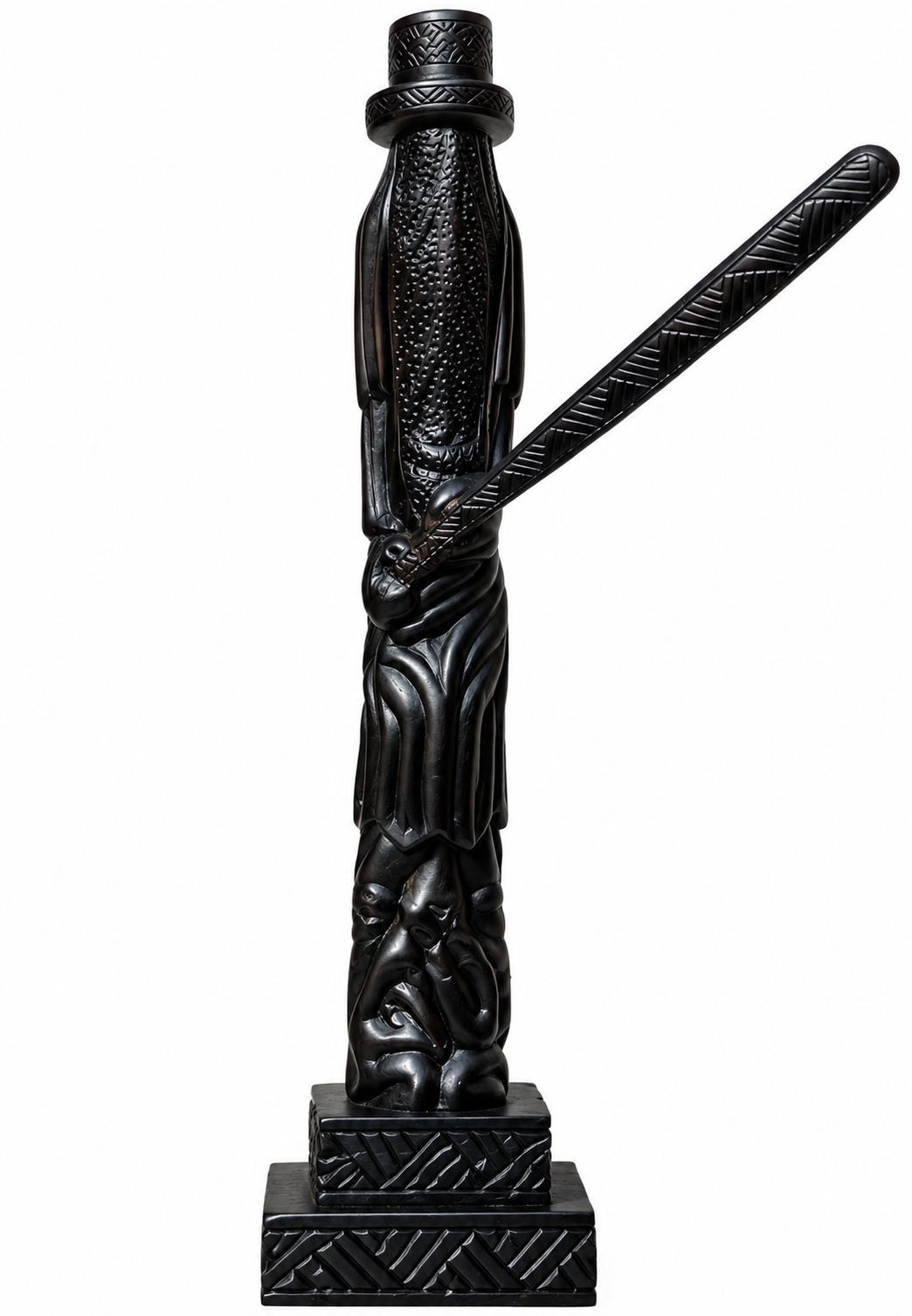
Medium:- wood
Size:- 22 inches tall
Price:- $500
The Eyo Festival, or Adamu Orisha Play, is a historic Lagosian cultural event originating in the 18th century (circa 1750–1780) among the Awori people. Initially, it served as a, sacred, secret society ritual to honor deceased kings and herald new ones, evolving into a major celebration of Yoruba heritage.
Key Historical Aspects:
Origins: The Eyo masquerade is believed to have been introduced to Lagos Island from the Ebbeu and Ejabu communities. It was created to protect the Adamu Orisha deity.
Purpose: Traditionally, Eyo was staged to escort the soul of a departed Oba (King) or high-ranking chief.
First Appearance: The first recorded Adamu Orisha procession in Lagos occurred on February 20, 1854, to honor Oba Akitoye.
Symbolism: Eyo masquerades, clad in white garments with wide-brimmed hats, represent the spirits of ancestors. They carry the Opambata (a palm stick) to bless spectators and ward off evil.
Modern Era: Today, it is a prominent cultural festival in Lagos State, often held to commemorate significant state milestones or notable deaths.
The Eyo masquerade (also called Eyo Festival or Adamu Orisha Play) is one of the most important cultural traditions of Lagos, Nigeria, especially among the Awori Yoruba people. I’ll break it down clearly and simply.
1. History of the Eyo Masquerade
The Eyo masquerade originated in Lagos (Ìsàlẹ̀ Èkó) several centuries ago, before colonial rule.
It is believed to have been introduced from Ibefun in present-day Ogun State and adapted by the people of Lagos.
The festival became firmly established under early Lagos kings (Obas), particularly during the reign of Oba Ado.
Originally, Eyo was a spiritual and ritual ceremony, not entertainment.
It was mainly performed to:
Escort the soul of a deceased Oba or chief to the afterlife
Celebrate the installation of a new Oba
Mark very important events in Lagos society
The Eyo masquerades represent the spirits of the ancestors, temporarily returning to guide and bless the community.
2. Description of the Eyo Masquerade
Eyo masquerades are also called Agogoro Eyo.
They wear:
Long white flowing robes (Agbádá-like)
A white wide-brimmed hat (Akete)
They carry a staff called Opambata (not for fighting).
There are different Eyo groups (conclaves), such as:
Eyo Adimu (the most senior and sacred)
Eyo Oniko
Eyo Ologede
Eyo Agere
The procession usually ends at Tafawa Balewa Square (TBS).
3. Importance of the Eyo Masquerade
a. Cultural Importance
Preserves Lagos indigenous identity
Passes traditions from elders to younger generations
Strengthens unity among Lagos families and clans
b. Spiritual Importance
Serves as a bridge between the living and the ancestors
Honors the dead and ensures peaceful transition to the afterlife
Invokes blessings, peace, and protection for the land
c. Political & Traditional Importance
Plays a role in the installation of a new Oba
Reinforces respect for traditional authority and customs
4. Life Applications (Lessons from the Eyo Masquerade)
The Eyo masquerade teaches many life values:
a. Respect for Tradition
Shows the importance of honoring culture and history
Teaches younger generations to value their roots
b. Peaceful Coexistence
Eyos do not fight or carry weapons
Encourages calm behavior, discipline, and order
c. Respect for Elders and Authority
Emphasizes obedience to community rules
Reinforces leadership structure and responsibility
d. Community Service
Everyone contributes—financially, spiritually, or physically
Teaches cooperation and collective responsibility
5. Benefits to People and Society at Large
a. Social Benefits
Promotes unity among Lagosians
Brings families together, including those in the diaspora
b. Economic Benefits
Boosts tourism (hotels, transport, vendors, artisans)
Creates temporary jobs for event organizers, security, performers
c. Educational Benefits
Used in schools to teach history and cultural studies
Helps preserve indigenous knowledge
d. Global Recognition
Places Lagos on the global cultural map
Attracts international visitors and researchers
6. Modern Relevance
Today, the Eyo Festival is both:
A sacred traditional ceremony
A major cultural and tourist event
Even with modernization, it remains a powerful symbol of:
Identity
Continuity
Respect for the past while moving into the future
If you want, I can also:
Shorten this for school notes
Turn it into an exam answer
Or explain it in simpler language for junior classes
M
Written by
Mojereola Awal Ishola🎨 A.I. MOJEREOLA | VISUAL ARTIST Sculptor • Wood Carver • Mixed-Media Artist 🇳🇬 Rooted in Yoruba culture, inspired by humanity, and driven by purpose. 🖌️ Painting | Sculpture | Wood Carving | Fiberglass ✨ art that educates, challenges, inspires, and tells powerful stories
Reviews (0)
Join Creative Garden to post a review.